

Selling a Home in the Energy Corridor
The Energy Corridor is Houston’s corporate west side — built on oil and gas money, anchored by the office campuses along I-10, and populated by the professionals who work in them. When energy is up, this market booms. When energy pulls back, it softens faster than most of Houston.
If you’re selling here, you’re selling to a specific buyer: energy industry professionals who want a short commute to the office campuses, good schools for their kids, and a home that reflects their career trajectory. They have money, they have expectations, and they’re comparison shopping against Memorial, Katy, and Cinco Ranch.
Table of Contents
▼The Energy Corridor Market
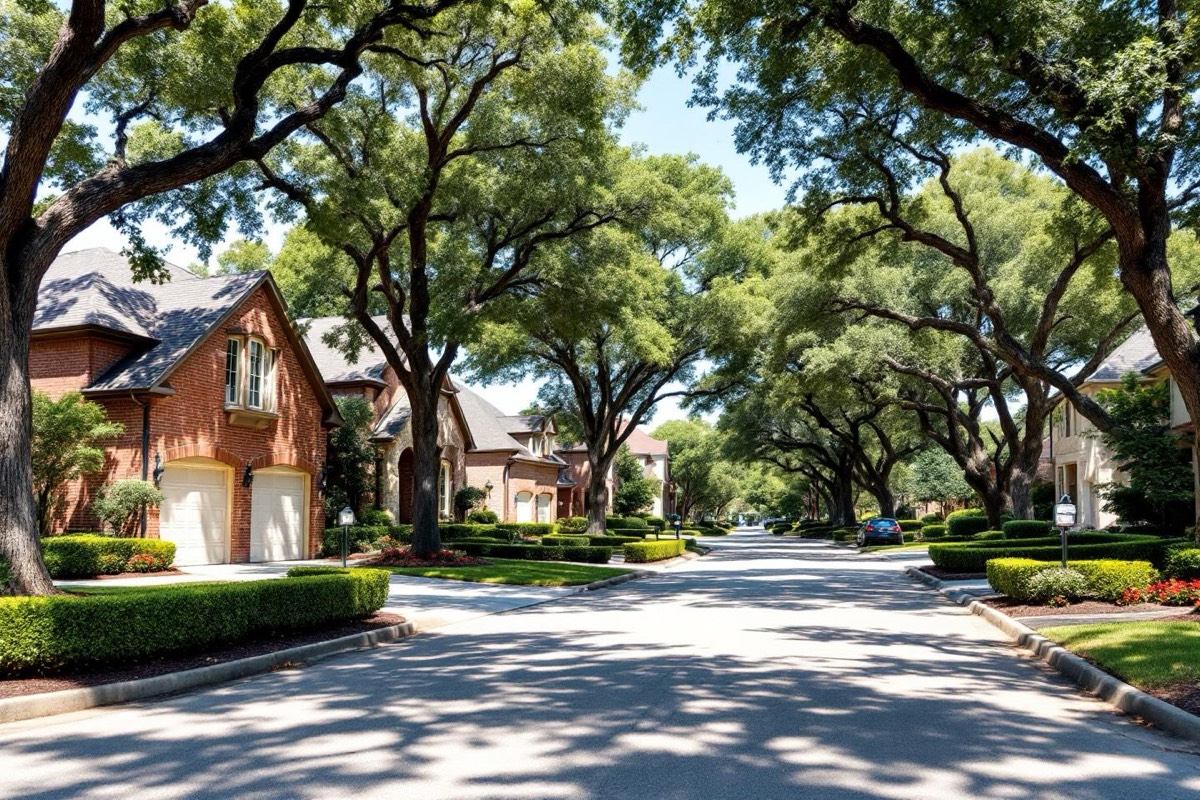
The residential Energy Corridor includes neighborhoods like Nottingham Country, Briar Village, Westchester, and the communities along Eldridge and Dairy Ashford. Older sections (1980s-90s builds) offer homes from the $300Ks to the low $500Ks. Updated and newer homes push from the $500Ks to $800K+.
Townhome communities serve a younger professional and downsizer market in the $250K-$400K range. These are popular with single professionals and couples who want the location without maintaining a large property.
What Energy Corridor Buyers Want
Short commute. The entire value proposition is proximity to work. Buyers choosing the Energy Corridor over Katy or Sugar Land are doing it to cut their commute to 10-15 minutes. Location is your primary selling point.
School district. Katy ISD zoning is the premium draw. Spring Branch ISD is solid. HISD zoning can be a tougher sell. Know which district your home is in — it’s the first question buyers ask after price.
Updated homes. Energy Corridor buyers skew professional and corporate. They want updated kitchens, modern bathrooms, and a home that looks like it matches their office building. Dated finishes from the 1990s are a turnoff for this buyer.
Community amenities. Many Energy Corridor neighborhoods have pools, tennis courts, and community centers. Well-maintained HOA amenities add value. Neglected ones detract.
Pricing in the Energy Corridor
Energy Corridor pricing is sensitive to two things: the oil market and school district zoning. When oil is above $70, the market is strong and homes move. When oil drops, so does demand — energy companies freeze hiring, relocations slow, and the buyer pool shrinks.
The school district premium is real. A home zoned to Katy ISD can sell for $30-50K more than an otherwise identical home zoned to HISD a few blocks away.
Price based on recent comparable sales in your specific neighborhood and school zone. Don’t blend Katy ISD comps with HISD comps — they’re different markets at different price points.
Energy Corridor-Specific Considerations
Energy market sensitivity. Your home’s value is partially tied to the oil and gas industry. If you’re selling during a downturn, be realistic about pricing. If you’re selling during a boom, capture the premium but don’t overshoot.
Corporate relocations. A significant portion of Energy Corridor buyers are relocating for work. They often have tight timelines and relocation budgets. A home that’s move-in ready and priced at market sells fast to relo buyers.
Flooding history. Parts of the Energy Corridor — particularly near Buffalo Bayou tributaries — flooded during Harvey and Tax Day 2016. Disclosure is required. Homes with no flood history command a clear premium.
Aging housing stock. Many Energy Corridor homes were built in the 1980s and 1990s. Buyers expect updates. If you haven’t renovated, price accordingly — the buyer is going to factor in the cost of updates.
Selling for 1% in the Energy Corridor
Creekstone Real Estate lists homes in the Energy Corridor for 1%. Full MLS listing on HAR.com, professional photography, pricing strategy, showing coordination, negotiation, and closing support — all included.
On a $550,000 Energy Corridor home, a 1% listing fee saves you $11,000 compared to 3%. On a $750,000 home, the savings is $15,000.
See our 1% listing details or get a free market analysis.
Related Seller Guides
Frequently Asked Questions
What is the Energy Corridor in Houston?
The Energy Corridor is the stretch of west Houston along I-10 between Beltway 8 and Highway 6, anchored by the headquarters and offices of major oil and gas companies — BP, ConocoPhillips, Shell, and dozens of others. The residential areas surrounding this commercial corridor attract energy industry professionals.
How much are homes in the Energy Corridor?
Energy Corridor homes range from the $300Ks in older sections to $800K+ in newer or renovated properties. Most activity falls in the $400K-$650K range. Proximity to the office campuses and Katy ISD or Spring Branch ISD zoning drive the premium.
What school districts serve the Energy Corridor?
The Energy Corridor is split between Katy ISD, Spring Branch ISD, and Houston ISD depending on exact location. Katy ISD zoning carries the most pricing premium. Verify your zoning before listing — it directly affects your buyer pool.
