

Selling a Home in Galveston
Galveston is unlike any other market in the Houston metro. It’s an island — literally and figuratively. The buyer pool includes full-time residents, second-home shoppers from Houston, short-term rental investors, and retirees who want to wake up near the beach. Each wants something different and pays differently.
If you’re selling on the island, you need to know which buyer you’re targeting. A historic East End Victorian markets differently than a beachfront condo, which markets differently than a west-end beach house. The island is small but the markets within it are distinct.
Table of Contents
▼The Galveston Market
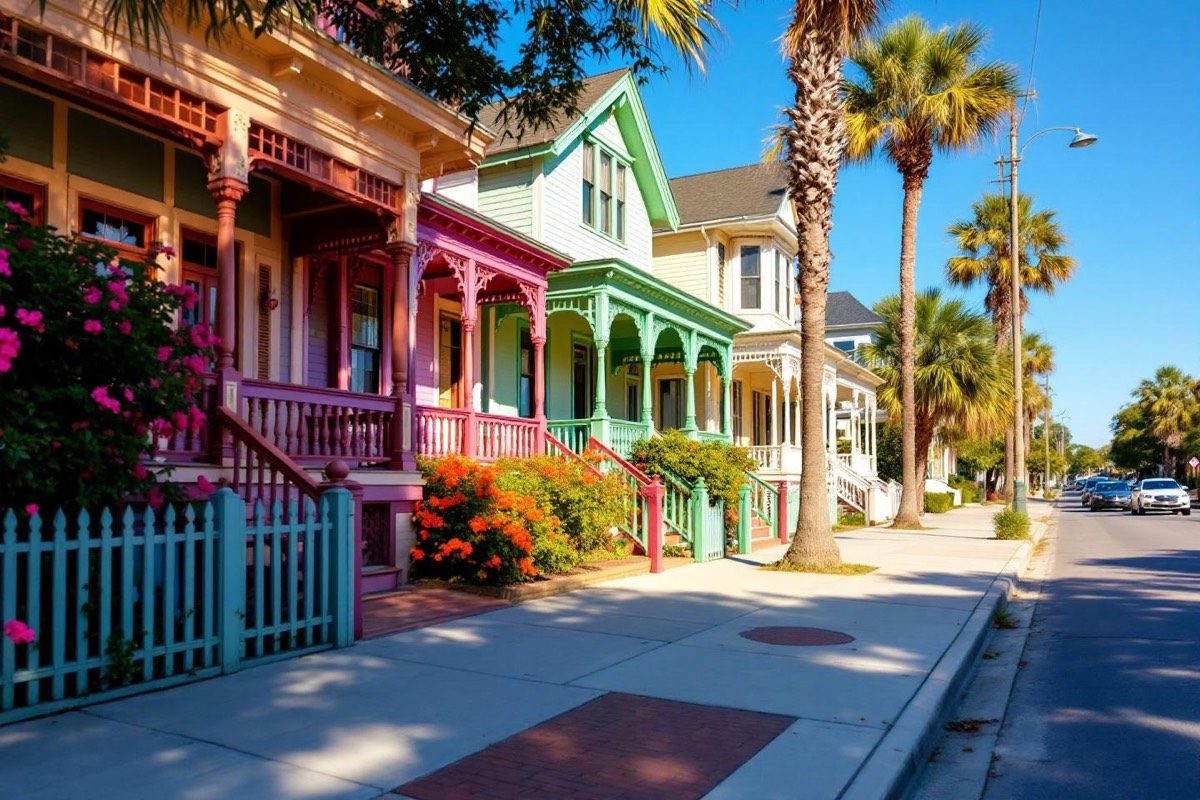
The Historic East End — Victorian and post-Victorian homes, many on the National Register, ranging from $300K to $800K+. These attract preservation-minded buyers who want architectural character. Renovation level drives pricing dramatically.
The Seawall and beachfront — condos and homes along Seawall Boulevard and the gulf side. Condos range from $200K-$600K. Gulf-front homes push past $1M. These attract investors (short-term rentals) and second-home buyers.
West End — beach houses on stilts, many used as vacation rentals. $300K-$800K depending on proximity to the beach, condition, and rental income history. The buyer is usually an investor evaluating rental yield.
Inland Galveston — more affordable housing from the $150Ks to the mid-$200Ks. Full-time residents, workforce housing, and investors seeking rental income.
What Galveston Buyers Want
Return on investment. Many Galveston buyers are evaluating the property as an investment. Short-term rental income, occupancy rates, and management costs matter. If your property has rental history, those numbers are part of your listing package.
Insurance clarity. Flood insurance, windstorm insurance, and HOA insurance (for condos) add up fast on the island. Buyers need to know the total annual cost before they can calculate their real monthly payment. Have your premium numbers ready.
Hurricane preparedness. Buyers will ask about your property’s hurricane history, elevation, construction standards, and whether it survived Ike. A home that made it through Ike without significant damage has a story worth telling.
Character. For the historic and beachfront markets, character is the product. Original woodwork, raised foundations, Victorian details, gulf views — these are what buyers are paying for. Don’t renovate the character out of a historic home.
Pricing in Galveston
Galveston pricing doesn’t follow mainland rules. Comparable sales on the island can be sparse in some segments, and the variables — gulf front vs bay front, historic district vs not, rental income vs primary residence — make every property somewhat unique.
For rental properties, buyers will calculate a cap rate. Your rental income history (documented through a property management company) is as important as the physical comps.
For historic properties, the condition and authenticity of the restoration drive pricing. A well-restored Victorian with documentation can command a significant premium over a partially renovated one.
Galveston-Specific Considerations
Insurance costs. This is the single biggest factor buyers weigh after purchase price. Annual flood + windstorm + homeowners insurance can run $8,000-$15,000+ on the island. That’s real money that affects what buyers can afford. Be transparent.
Elevation certificates. Flood insurance premiums are tied to elevation. If your home has an elevation certificate showing it’s above base flood elevation, that translates directly to lower insurance costs for the buyer — which means a higher price for you.
Short-term rental regulations. Galveston has STR regulations that have changed over the years. If your property is an active STR, buyers need to understand the current permitting requirements and any restrictions.
Seawall vs west end. Different insurance requirements, different flood zones, different buyer profiles. The seawall provides a level of protection that west-end properties don’t have. This affects insurance and pricing.
Open Beaches Act. Galveston properties near the beach may be affected by the Texas Open Beaches Act. Buyers need to understand how this affects property rights on the gulf side.
Selling for 1% in Galveston
Creekstone Real Estate lists homes in Galveston for 1%. Full MLS listing on HAR.com, professional photography, pricing strategy, showing coordination, negotiation, and closing support — all included.
On a $450,000 Galveston property, a 1% listing fee saves you $9,000 compared to 3%. On a $700,000 beach house, the savings is $14,000.
See our 1% listing details or get a free market analysis.
Related Seller Guides
Frequently Asked Questions
Is Galveston a good place to sell a home?
Galveston has a unique market driven by tourism, second-home buyers, investment properties, and a small full-time resident population. Demand is strong for well-positioned beach and historic properties. Insurance costs and hurricane risk are the primary buyer concerns.
How much are homes in Galveston TX?
Galveston pricing varies wildly. Inland homes start in the $150Ks. Historic East End properties range from $300K-$800K+. Beachfront condos range from $200K-$600K. Gulf-front homes can exceed $1M.
Do I need flood insurance in Galveston?
Most Galveston properties require flood insurance. The island is in a Special Flood Hazard Area. Flood and windstorm insurance costs are significant and directly affect buyer affordability. Know your annual premiums.
