

Selling a Home in Magnolia TX
Magnolia sits at that sweet spot where rural Texas meets Houston’s suburban expansion — and right now, the expansion is winning. What was mostly ranches, horse properties, and a two-stoplight town along FM 1488 a decade ago is now a mix of new master-planned communities, established acreage properties, and a growing commercial corridor that gets busier every year.
If you’re selling in Magnolia, you’re in a good position. Buyers who are priced out of The Woodlands and Tomball are looking west, and Magnolia is where they’re landing. But the market here isn’t one-size-fits-all — selling a home in a new subdivision is a very different game than selling a 5-acre property on a country road.
Table of Contents
▼The Magnolia Market
Magnolia’s market has two distinct halves. The subdivision market — communities like Magnolia Ridge, Conroe-Hufsmith area developments, and newer builds along FM 2978 and FM 1488 — is where most of the volume is. These homes range from the $275Ks to the $500Ks, with the bulk of activity in the $300K-425K range. This market moves fast when priced right.
Then there’s the acreage and rural market. Properties with 2-20+ acres, custom or older homes, horse facilities, and country road addresses. This market ranges from $350K to well over $1M, and it operates on its own timeline. Buyers in this segment are specific about what they want — they’ll wait months for the right property, but when they find it, they move.
The FM 2978 corridor is the growth spine. As it widens and commercializes, the properties along it and the subdivisions feeding off it are seeing the strongest appreciation. If your home has easy access to 2978, that’s a selling point — it’s the main artery connecting Magnolia to The Woodlands, Tomball, and the Grand Parkway.
What Magnolia Buyers Want
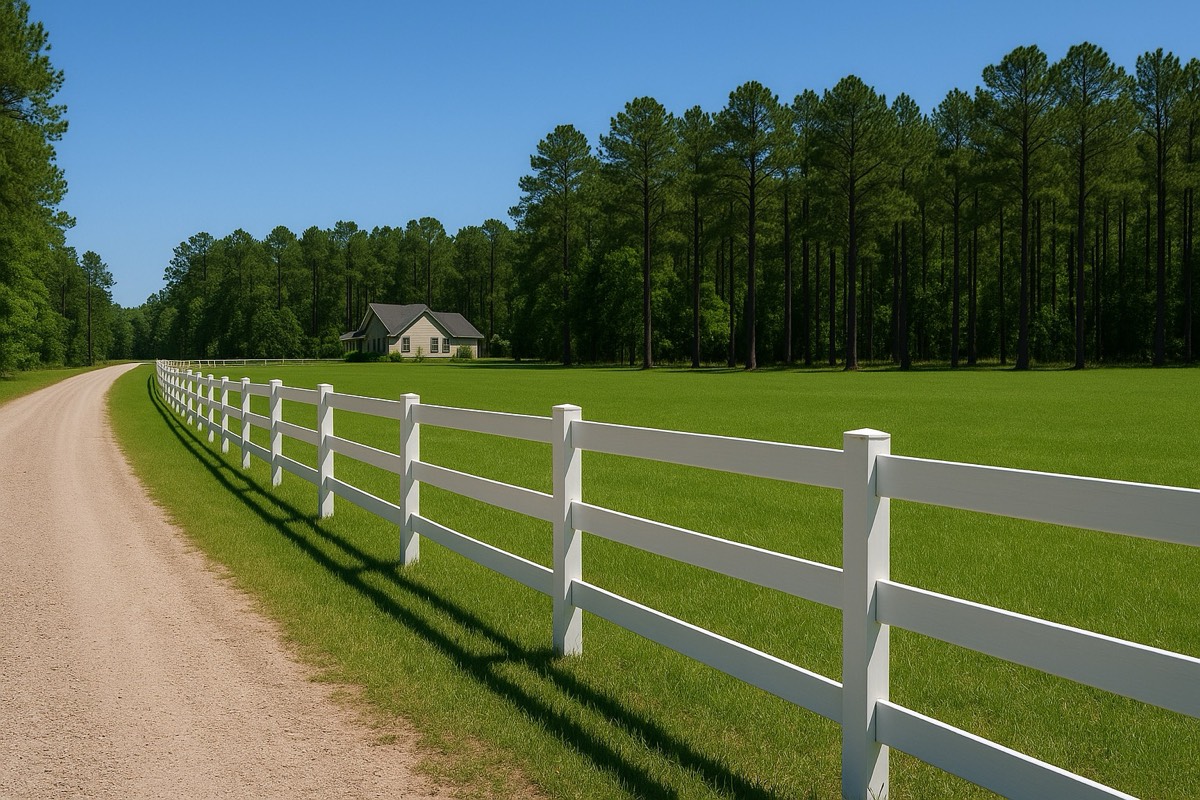
Space and land. Magnolia buyers are here for room. Even subdivision buyers in Magnolia expect larger lots than what they’d get in Cypress or Spring. If you’re selling acreage, the land itself is the draw — fenced pastures, mature trees, and usable land carry serious value.
Magnolia ISD (and Tomball ISD). Magnolia ISD has grown fast and built new schools to keep up. Buyers with kids will want to know which campus your home is zoned to. Properties zoned to Tomball ISD — particularly along the eastern edge of the Magnolia area — can command a slight premium due to Tomball’s established reputation.
Country living with access. The ideal for most Magnolia buyers is rural feel with suburban convenience. They want the big lot and the quiet road, but they also want H-E-B, Home Depot, and a decent restaurant within 15 minutes. If your property offers that balance, emphasize it.
Functional outbuildings. Barns, workshops, detached garages, RV storage — these are real differentiators in Magnolia. A property with a 40x60 metal building or a proper horse barn appeals to a buyer segment that will pay a premium for it.
Pricing in Magnolia
In Magnolia’s subdivision market, pricing follows the usual rules: pull recent comps from your subdivision and adjacent ones, adjust for condition and updates, and price competitively. New construction is a factor here — if builders are selling new homes in your area for $350K, your similar resale home needs to be priced to compete.
The acreage market is trickier. Every property is different, and you need to think about land value and improvement value separately. What’s the raw land worth per acre in your area? What would the home appraise for without the land? Add in outbuildings, fencing, ag exemptions, and any income-producing features, and you’re looking at a pricing exercise that requires real local knowledge.
One pattern I see in Magnolia: sellers overpricing because they compare their 5-acre property to subdivision homes on a per-square-foot basis. That math doesn’t work. Acreage pricing is about total property value — land, improvements, and location — not price per square foot of living space.
See how to price your Houston home for more pricing strategy.
Magnolia-Specific Considerations
Well and septic. Like Montgomery, many Magnolia properties are on private well and septic systems. Condition matters to buyers, and inspections are standard. Make sure your systems are maintained and documented.
Ag exemptions. If your property has an agricultural exemption — horses, cattle, hay — it significantly reduces your property tax bill. Buyers planning to continue agricultural use will expect this, and losing an ag exemption on a 10-acre property can mean a $5,000-10,000+ annual tax increase. Be clear about your exemption status.
FM 1488 and FM 2978 traffic. Growth has brought traffic. If your property is on or near these corridors, the convenience of access cuts both ways — easy to get to everything, but the road noise and congestion are real. Properties set back from the main roads or on quieter FM roads carry a premium for buyers who want the quiet.
Montgomery County taxes. Magnolia is in Montgomery County. Tax rates and appraisal practices here have been aggressive with rapid growth — make sure your property tax value is accurate and consider protesting if it seems inflated.
Internet access. This is a real issue for rural Magnolia properties. With remote work still common, buyers will ask about internet speeds. If you have fiber or reliable fixed wireless, mention it. If your only option is satellite, be upfront — it’s a dealbreaker for some buyers.
Selling for 1% in Magnolia
Creekstone Real Estate lists homes in the Magnolia area for 1%. Full MLS listing on HAR.com, Zillow, Redfin, and Realtor.com. Professional photography, pricing strategy, showing coordination, negotiation, and closing support — all included.
On a $375,000 Magnolia subdivision home, a 1% listing fee saves you $7,500 compared to 3%. On a $550,000 acreage property, the savings is $11,000.
See our 1% listing details or get a free market analysis.
Related Seller Guides
Frequently Asked Questions
How much does it cost to sell a house in Magnolia TX?
Total costs typically run 6-8% of the sale price. A 1% listing fee saves you thousands — on a $375,000 Magnolia home, that's $7,500 compared to the traditional 3%.
How long does it take to sell a house in Magnolia?
Subdivision homes priced correctly sell in 10-25 days. Acreage properties may take 30-90 days, but the buyer pool for Magnolia land is active and motivated.
Is Magnolia TX a growing area?
Magnolia is one of the fastest-growing areas in the Houston metro. The FM 1488 and FM 2978 corridors are seeing rapid development, and new subdivisions are going in regularly. Buyers are drawn by the space, the schools, and prices that undercut The Woodlands.
What school district is Magnolia TX in?
Most of Magnolia falls in Magnolia ISD, with some areas zoned to Tomball ISD. Magnolia ISD has grown significantly and added new campuses to keep pace with residential growth.
