

Selling a Home in Tomball
Tomball figured out something that most Houston suburbs haven’t — how to grow without losing its identity. The historic downtown still has the railroad tracks, the German heritage festivals, and the small-town feel. But drive five minutes in any direction and you’re in master-planned communities with new schools and modern amenities.
That combination is exactly what draws buyers here. They want the Tomball ISD schools and the small-town character without giving up the convenience of being 30 minutes from everything Houston offers. If you’re selling in Tomball, you’re selling a lifestyle — not just a house.
Table of Contents
▼The Tomball Market
Old Tomball — the neighborhoods around downtown, along Main Street and the original residential grid — offers homes from the $200Ks to the low $400Ks. These are older builds with character, mature trees, and larger lots than what you get in the newer subdivisions.
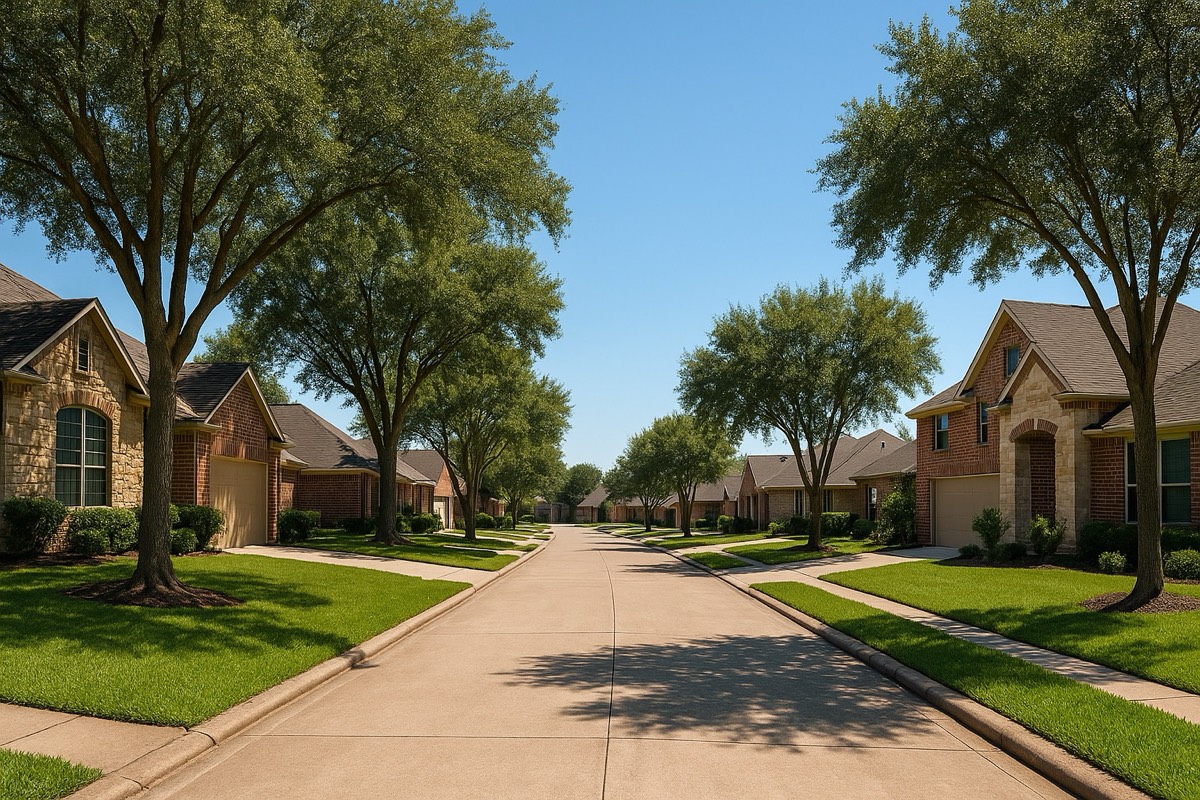
The growth corridor along 249 (Tomball Parkway) is where most of the new development has landed. Communities like Northpointe, Lakes of Cypress Forest, and the areas near the Grand Parkway intersection offer homes from the $350Ks to $600K+. These neighborhoods have the modern floor plans and community amenities that families expect.
Rural Tomball — properties with acreage along Hufsmith-Kohrville, Bauer Road, and the outskirts — serves a different buyer entirely. Space, horses, workshops, and privacy.
What Tomball Buyers Want
Tomball ISD. Full stop. The school district is the primary driver. Tomball ISD’s academic performance, facilities, and community support are the reason most families choose Tomball over adjacent areas in Klein ISD or Cy-Fair ISD.
Small-town feel. Buyers who choose Tomball could have bought in Spring or Cypress for similar prices. They chose Tomball because it feels different — downtown, the depot, the festivals, the sense that it’s a real town and not a subdivision attached to a highway.
Value. Tomball delivers a lot for the money. Compared to The Woodlands, which is 15 minutes north and significantly more expensive, Tomball offers similar school quality and community feel at a lower price point. Buyers notice this.
Grand Parkway access. The 99 corridor has expanded Tomball’s reach. Commuters to the Energy Corridor, Cy-Fair, and even The Woodlands now consider Tomball because the Grand Parkway makes the drive manageable.
Pricing in Tomball
In the established neighborhoods near downtown, pricing is based on condition and lot size. Older homes that have been updated sell well — homes that haven’t been touched since the 1990s need to be priced accordingly.
In the master-planned communities, builder pricing sets the baseline. Same dynamic as Fulshear, Conroe, and every other growth corridor — your resale home competes with new construction and needs to be priced to win that comparison.
For acreage properties, comps are sparse and pricing requires a broker who understands land value in the Tomball area. A 3-acre tract with a 2,500-square-foot home doesn’t comp against a subdivision home — it comps against other acreage properties, and there may only be a handful of sales per year.
Tomball-Specific Considerations
Tomball ISD zoning. Not everything labeled “Tomball” is in Tomball ISD. Areas south of Spring Cypress may be in Klein or Cy-Fair ISD. Verify your school zoning — it directly affects your price and buyer pool.
249 corridor traffic. Growth along the Tomball Parkway has brought traffic. Buyers will consider which side of 249 your home is on and how easy it is to get in and out of the neighborhood during peak times.
Historic district. If your home is near downtown Tomball, there may be historical overlay considerations. Some buyers see this as a feature — others see restrictions. Know what applies to your property.
MUD and ETJ. Some Tomball-area neighborhoods are in the city’s ETJ (extra-territorial jurisdiction) rather than the city limits. This affects services, taxes, and regulations. Buyers will ask.
Selling for 1% in Tomball
Creekstone Real Estate lists homes in the Tomball area for 1%. Full MLS listing on HAR.com, Zillow, Redfin, and Realtor.com. Professional photography, pricing strategy, showing coordination, negotiation, and closing support — all included.
On a $380,000 Tomball home, a 1% listing fee saves you $7,600 compared to 3%. On a $500,000 home, the savings is $10,000.
See our 1% listing details or get a free market analysis.
Related Seller Guides
Frequently Asked Questions
Is Tomball a good place to sell a home?
Tomball has strong buyer demand driven by Tomball ISD (one of the highest-rated districts in the Houston area), a growing commercial base along the 249 corridor, and a small-town identity that buyers specifically seek out.
What school district is Tomball in?
Tomball ISD serves most of the Tomball area and is consistently rated among the best districts in the greater Houston area. Some areas south of Tomball are in Klein ISD or Cy-Fair ISD.
How much are homes in Tomball TX?
Most Tomball homes sell between $280K and $500K. Older homes near downtown Tomball start lower, while newer master-planned communities like Northpointe and areas along 249 push into the $400K-600K range.
